Best AI Planner Apps for 2026: Smarter Scheduling for Real Life
Published on April 28, 2026


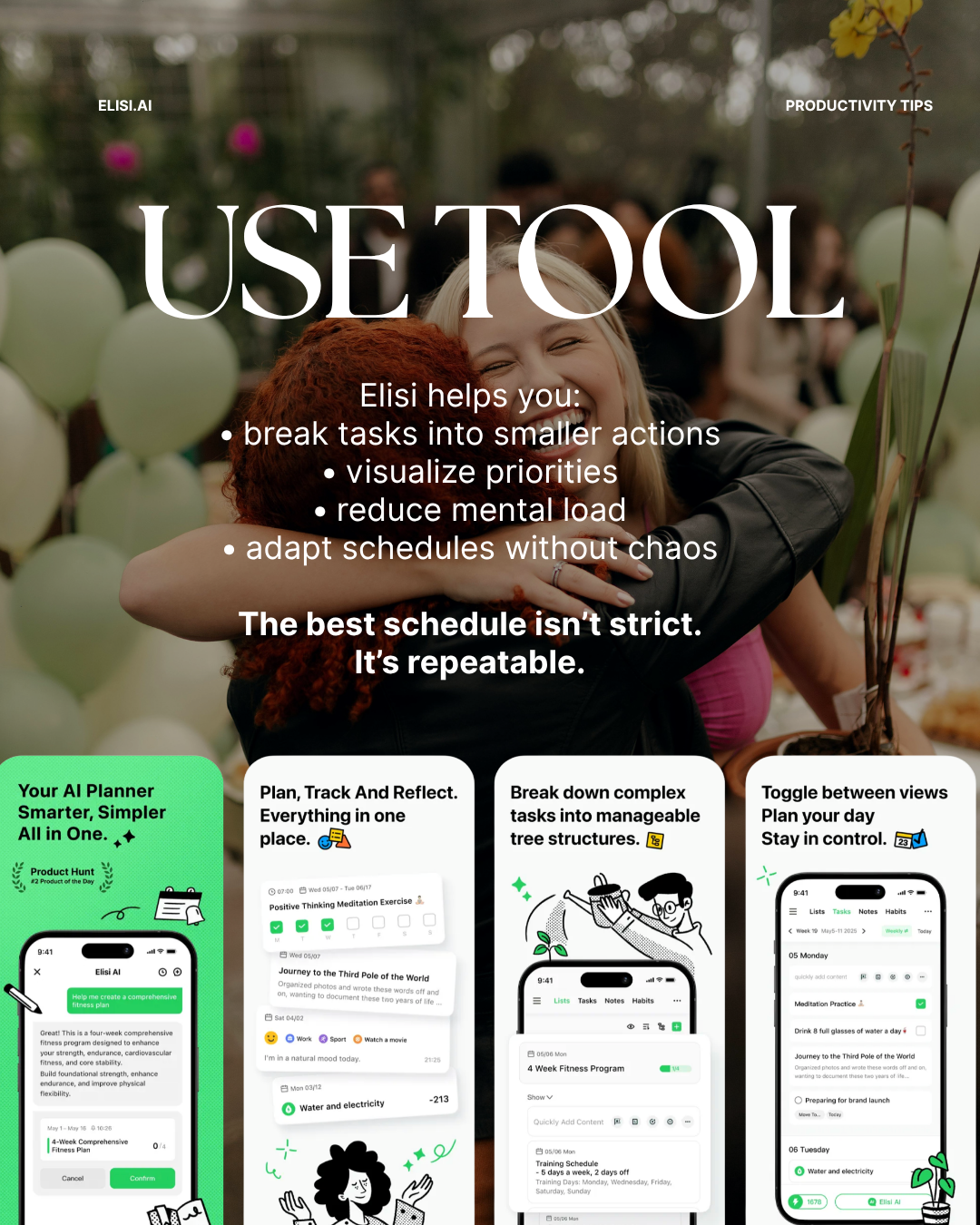
Most traditional planner apps were built around manual organization.You create tasks manually. You drag calendar blocks around. You constantly reorganize priorities yourself. And eventually, maintaining the planner becomes just another exhausting task on your to-do list.AI planners are changing that.Instead of forcing users to manually structure every detail, modern AI planners understand intent. You can type something as simple as:
“I need to finish my presentation tomorrow, answer client emails, and somehow fit in gym tonight.”
An AI planner can automatically break this into tasks, prioritize what matters most, organize your schedule, and dynamically adapt when plans change.The best AI planners in 2026 are no longer just calendars or task lists. They are becoming intelligent systems for:
- reducing cognitive overload
- adapting schedules automatically
- managing attention and focus
- minimizing decision fatigue
- helping users stay functional during chaotic days
This shift is especially important for people dealing with ADHD, executive dysfunction, burnout, or constant distraction.Here are some of the most interesting AI planner tools shaping productivity in 2026.
What Makes an AI Planner Different From a Traditional Planner?
Traditional planners rely on static systems.You decide:
- what matters
- when to do it
- how long it takes
- how to reorganize everything when life changes
AI planners automate much of this process.Modern AI planning systems can:
- automatically prioritize tasks
- estimate workload capacity
- reorganize schedules dynamically
- identify overdue or risky tasks
- suggest focus blocks
- reduce planning friction through natural language input
Instead of spending energy managing the system itself, users can focus more on execution.This reduction in mental overhead is becoming one of the biggest advantages of AI-native productivity tools. (Motion)
Elisi — AI Planning Built for Focus and Mental Clarity
ElisiMany productivity apps assume users already have strong executive functioning skills.Elisi takes a different approach.Instead of overwhelming users with complicated dashboards, endless folders, and heavy setup systems, Elisi focuses on simplicity, clarity, and low-friction planning.
Designed Around Natural Language
One of Elisi’s core ideas is simple:
planning should feel conversational.
Instead of manually building complex systems, users can simply type:
“Need to finish my portfolio, study for two hours, call my client, and clean my apartment.”
Elisi can automatically structure this into actionable tasks and organized scheduling blocks.This dramatically reduces the activation energy required to start planning.
A Minimal UI That Reduces Overwhelm
Many productivity platforms become visually exhausting over time.Elisi focuses heavily on a clean and simplified interface designed to reduce cognitive overload.The experience is intentionally minimal:
- less visual clutter
- fewer unnecessary controls
- faster task capture
- clearer prioritization
For users who struggle with distraction or overstimulation, interface simplicity matters more than most productivity apps acknowledge.
Tree-Style Organization for Complex Workflows
Instead of dumping everything into one massive task list, Elisi uses structured task organization that helps users visualize relationships between goals and subtasks.This makes larger projects feel more manageable.For example:
- Launch Campaign
- write landing page
- prepare visuals
- schedule content
- finalize ads
Breaking work into smaller actionable layers helps reduce task paralysis and improves execution momentum.
Highlighting the 5 Most Important Tasks
One major problem with traditional productivity systems is overload.When users see 47 tasks at once, prioritization collapses.Elisi helps reduce this problem by surfacing the five most important priorities for the day.This creates clarity instead of chaos.Rather than constantly asking:
“What should I work on right now?”
users can immediately focus on what matters most.This aligns with a growing shift in AI productivity systems toward reducing decision fatigue and improving task prioritization. (Motion)
Built With ADHD and Attention Management in Mind
Many people do not struggle because they are lazy.They struggle because:
- task initiation feels overwhelming
- priorities become mentally tangled
- attention shifts constantly
- unfinished tasks create anxiety loops
Elisi is designed with these realities in mind.The system focuses on:
- reducing planning resistance
- lowering mental friction
- helping users restart after distraction
- simplifying task execution
- maintaining momentum without overwhelming the user
Instead of expecting perfect consistency, the platform is designed around adaptive productivity.
Motion — Aggressive Auto-Scheduling for Busy Workflows
MotionMotion is one of the most well-known AI scheduling systems currently on the market.Its core strength is automatic scheduling and dynamic calendar rebuilding. Motion continuously reorganizes tasks based on deadlines, priorities, and availability. (Motion)
What Motion Does Well
- automatic calendar scheduling
- deadline-based prioritization
- dynamic rescheduling
- calendar integration
- workload optimization
If meetings run long or priorities shift, Motion automatically rebuilds the schedule. (Motion)
Where Some Users Struggle
For some users, especially creatives or ADHD users, highly optimized scheduling systems can sometimes feel too rigid or operationally intense.This has created growing interest in softer, more flexible AI planning systems focused on cognitive sustainability rather than maximum optimization.
Sunsama — Slower, More Intentional Planning
SunsamaSunsama approaches productivity differently from high-pressure optimization tools.The platform emphasizes intentional planning and realistic workloads rather than maximizing output endlessly.Its structure encourages users to plan daily workloads carefully and avoid overcommitting.This makes it popular among:
- creatives
- freelancers
- burnout-prone professionals
Reclaim AI — Protecting Time Automatically
Reclaim.aiReclaim AI focuses heavily on protecting time for habits, routines, and focus work.Instead of simply filling calendars with tasks, it balances:
- meetings
- habits
- focus sessions
- breaks
- recurring routines
This makes it especially useful for users trying to maintain healthier long-term schedules.
The Direction AI Planning Is Heading
AI planners are evolving beyond simple productivity tools.They are becoming adaptive systems designed to help users navigate modern cognitive overload.The strongest AI planners in 2026 are increasingly focused on:
- reducing mental friction
- understanding natural language
- adapting schedules dynamically
- minimizing decision fatigue
- supporting attention management
- creating sustainable productivity systems
Instead of forcing users to behave like perfectly optimized machines, newer AI planners are beginning to adapt to how humans actually function:inconsistently, emotionally, dynamically, and under constant information overload.For users overwhelmed by traditional productivity systems, tools like Elisi represent a growing shift toward calmer, more adaptive, and more human-centered productivity design. (Motion)